Exploring the realm of Trulicity Side Effects You Should Know Before Starting, this introduction delves into a captivating narrative that is both informative and engaging.
Providing a detailed overview of the common side effects, severity levels, and individual variations sets the stage for an insightful discussion ahead.
Overview of Trulicity Side Effects
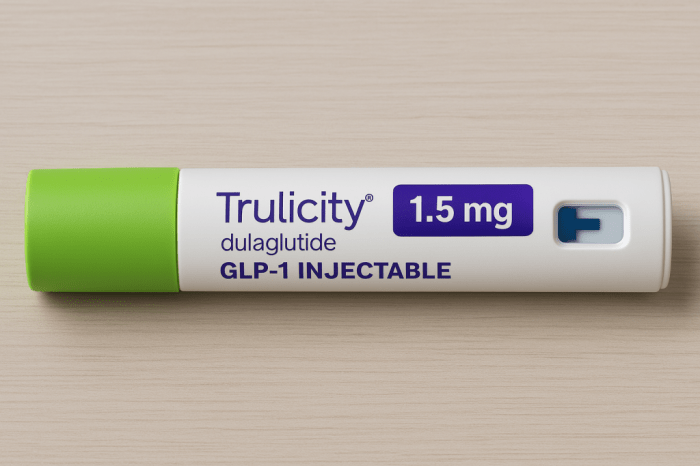
Trulicity, a medication used to treat type 2 diabetes, may cause various side effects in individuals. It is essential to be aware of these potential side effects before starting treatment.
List of Common Side Effects
- Nausea
- Vomiting
- Diarrhea
- Abdominal pain
- Loss of appetite
These are some common side effects that individuals may experience while taking Trulicity.
Severity Levels of Side Effects
Side effects of Trulicity can range from mild to severe, depending on the individual. While some may only experience mild discomfort, others may face more severe symptoms that require medical attention.
Variability of Side Effects
It's important to note that side effects of Trulicity can vary from person to person. Factors such as overall health, dosage, and individual reactions to the medication can influence the severity and occurrence of side effects. It is crucial to communicate any concerns or adverse reactions to your healthcare provider to ensure the best possible treatment plan.
Gastrointestinal Side Effects
Trulicity can cause a range of gastrointestinal side effects that may impact some individuals who are taking this medication. It is important to be aware of these potential side effects and how to manage them effectively.
Nausea and Vomiting
- Nausea and vomiting are common gastrointestinal side effects of Trulicity.
- These symptoms may occur especially at the beginning of treatment but tend to improve over time.
- It is recommended to take Trulicity with a meal to help reduce the likelihood of experiencing nausea.
Diarrhea
- Diarrhea is another gastrointestinal side effect that some individuals may experience while taking Trulicity.
- Staying hydrated and avoiding spicy or greasy foods can help manage diarrhea.
- If diarrhea persists or becomes severe, it is important to consult a healthcare provider.
Constipation
- On the other hand, constipation can also be a gastrointestinal side effect of Trulicity for some individuals.
- Incorporating fiber-rich foods, staying active, and drinking plenty of water can help alleviate constipation.
- If constipation persists, it is advisable to seek medical advice.
Comparison with Common Side Effects
While gastrointestinal side effects like nausea, vomiting, diarrhea, and constipation are common with Trulicity, they are typically milder and more manageable compared to other potential side effects such as allergic reactions or injection site reactions.
Metabolic Side Effects
When taking Trulicity, there are potential metabolic side effects that individuals may experience. These side effects can have an impact on the body's overall functioning and should be monitored closely to ensure optimal health and well-being.
Changes in Blood Glucose Levels
- Trulicity, a medication used to treat type 2 diabetes, can affect blood glucose levels in some individuals.
- It is essential to monitor blood sugar levels regularly while taking Trulicity to ensure they remain within the target range.
- Consult with your healthcare provider if you notice any significant changes in your blood glucose levels while on this medication.
Weight Changes
- Some individuals may experience weight changes, such as weight loss or weight gain, while taking Trulicity.
- It is important to monitor your weight regularly and discuss any significant changes with your healthcare provider.
- Healthy lifestyle habits, including a balanced diet and regular exercise, can help manage weight changes associated with Trulicity.
Cholesterol Levels
- Trulicity may impact cholesterol levels, leading to changes in LDL (bad) cholesterol, HDL (good) cholesterol, and triglycerides.
- Regular monitoring of cholesterol levels is recommended while taking Trulicity, and adjustments to diet and lifestyle may be necessary to maintain healthy cholesterol levels.
- Discuss any concerns about cholesterol changes with your healthcare provider for appropriate management.
Injection Site Reactions
When using Trulicity, some individuals may experience injection site reactions, which can include redness, swelling, itching, or tenderness at the site of injection. These reactions are common with many injectable medications and are usually mild and temporary. It is essential to know how to manage these reactions effectively to ensure a comfortable experience with Trulicity.
Minimizing Discomfort or Irritation
To minimize discomfort or irritation at the injection sites, it is crucial to follow proper injection techniques. Ensure that you clean the injection site with an alcohol swab before injecting Trulicity. Avoid rubbing or massaging the area after the injection to reduce the risk of irritation.
If you experience persistent or severe discomfort, consult your healthcare provider for advice on managing injection site reactions.
Rotating Injection Sites
One of the best practices to prevent injection site reactions is to rotate the injection sites systematically. By rotating the sites where you administer Trulicity, you can reduce the likelihood of developing irritation or inflammation at a particular spot. Make sure to keep a record of the injection sites you have used to ensure proper rotation.
Common areas for injection sites include the abdomen, thighs, or upper arms. Consult with your healthcare provider for guidance on the best rotation schedule for your Trulicity injections.
Allergic Reactions

Allergic reactions to Trulicity can be serious and require immediate medical attention. It is important to be aware of the signs and symptoms of an allergic reaction while taking this medication.If you experience any of the following symptoms after taking Trulicity, it could indicate an allergic reaction:
- Rash or hives
- Itching
- Swelling of the face, lips, tongue, or throat
- Difficulty breathing
- Severe dizziness or lightheadedness
What to do in case of an allergic reaction
If you suspect that you are having an allergic reaction to Trulicity, stop taking the medication immediately and seek medical help. Do not continue taking the medication if you have signs of an allergic reaction.
When to seek immediate medical help
If you experience severe symptoms of an allergic reaction, such as difficulty breathing or swelling of the face and throat, seek immediate medical attention. Allergic reactions can be life-threatening, so it is crucial to get help right away in case of an emergency.
Conclusion
In conclusion, understanding the potential side effects of Trulicity is crucial for anyone considering its use. This guide has shed light on key aspects to keep in mind before embarking on this medication journey.
FAQ Corner
What are the most common side effects of Trulicity?
The most common side effects include nausea, vomiting, and diarrhea.
How do side effects of Trulicity vary in severity?
Side effects can range from mild discomfort to severe complications that require immediate medical attention.
What should I do in case of an allergic reaction to Trulicity?
If you experience signs of an allergic reaction, such as difficulty breathing or swelling, seek immediate medical help.

![Trulicity Eye Side Effects Lawsuit [2025 Update] | King Law](https://medic.sinergimadura.com/wp-content/uploads/2025/12/Trulicity-Side-Effects-Common-Serious-Long-term-1-120x86.png)