Delving into the realm of Crohn’s Disease treatments, this insightful guide sheds light on the contrast between Biologic and Non-Biologic treatments in a manner that is both informative and engaging.
Providing a detailed overview of each treatment type, this guide aims to equip readers with a deeper understanding of how these treatments function in managing Crohn’s Disease effectively.
Introduction to Crohn’s Disease Treatments
Crohn’s disease is a chronic inflammatory condition that affects the digestive tract, causing symptoms such as abdominal pain, diarrhea, fatigue, and weight loss. It can be a debilitating disease that significantly impacts the quality of life for those affected.Effective treatments for Crohn’s disease are crucial in managing symptoms, reducing inflammation, and preventing complications.
Both biologic and non-biologic treatments play a key role in controlling the disease and improving the overall well-being of patients.
Biologic Treatments
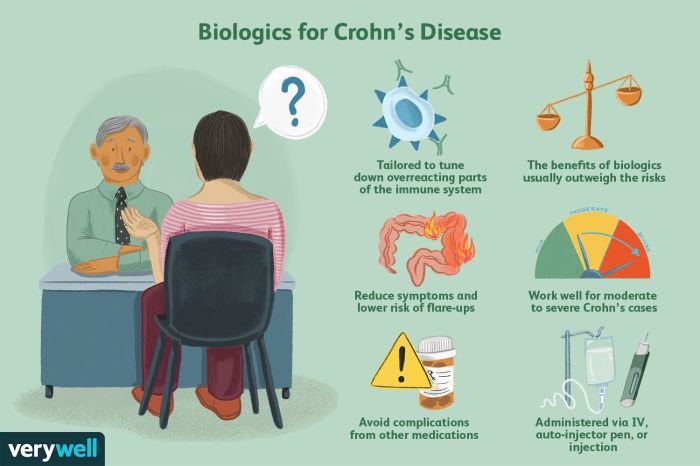
Biologic treatments for Crohn’s disease are medications derived from living organisms that target specific proteins in the immune system. These drugs are designed to reduce inflammation and suppress the overactive immune response that characterizes Crohn’s disease. Biologics are usually administered through injections or infusions and are often used when other treatments have not been effective.
- Biologics work by targeting proteins such as tumor necrosis factor (TNF) or interleukin-12 and interleukin-23, which play a role in the inflammatory response.
- Common biologic medications used for Crohn’s disease include adalimumab, infliximab, vedolizumab, and ustekinumab.
- These treatments have shown to be effective in inducing and maintaining remission in many patients with moderate to severe Crohn’s disease.
Non-Biologic Treatments
Non-biologic treatments for Crohn’s disease include conventional medications such as corticosteroids, immunomodulators, and aminosalicylates. These medications work by reducing inflammation and suppressing the immune response, but they do not target specific proteins like biologics.
- Corticosteroids like prednisone are often used to reduce inflammation during flare-ups but are not recommended for long-term use due to side effects.
- Immunomodulators like azathioprine and methotrexate are used to suppress the immune system and reduce inflammation.
- Aminosalicylates like mesalamine are used to treat mild to moderate inflammation in the digestive tract.
Biologic Treatments for Crohn’s Disease
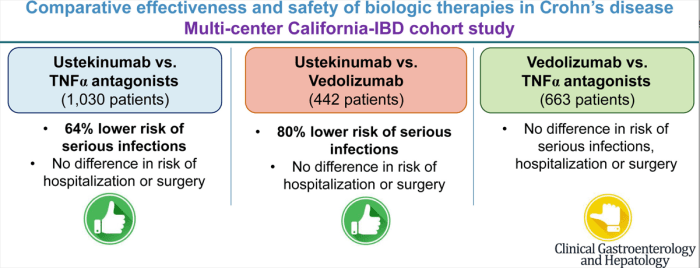
Biologic treatments are a type of therapy that targets specific pathways in the immune system involved in the inflammatory response seen in Crohn's disease. These medications are designed to inhibit the activity of certain proteins that play a key role in the inflammation process.
Common Biologic Medications for Crohn's Disease
Biologic medications commonly used in treating Crohn's disease include:
- Adalimumab (Humira): Works by targeting and blocking TNF-alpha, a protein involved in inflammation.
- Infliximab (Remicade): Also targets TNF-alpha to reduce inflammation in the digestive tract.
- Vedolizumab (Entyvio): Acts by specifically blocking the integrin receptors on immune cells to prevent them from entering the gut lining and causing inflammation.
Benefits and Potential Side Effects of Biologic Treatments
Biologic treatments offer several benefits for individuals with Crohn's disease, including:
- Effective in inducing and maintaining remission in moderate to severe cases.
- Reduced need for corticosteroids, which can have significant side effects with long-term use.
- May lead to improved quality of life and symptom management.
However, like any medication, biologics also come with potential side effects, such as:
- Increased risk of infections due to suppression of the immune system.
- Allergic reactions at the injection site or systemic reactions.
- Development of antibodies against the biologic medication over time, leading to reduced efficacy.
Non-Biologic Treatments for Crohn’s Disease
Non-biologic treatments for Crohn’s disease involve medications that do not target specific proteins in the body like biologics do. These treatments play a crucial role in managing symptoms, inducing and maintaining remission, and reducing inflammation in patients with Crohn’s disease.
Examples of Non-Biologic Medications
Non-biologic medications commonly prescribed for Crohn’s disease include:
- 5-Aminosalicylates (5-ASAs) - such as mesalamine, sulfasalazine
- Corticosteroids - like prednisone, budesonide
- Immunomodulators - such as azathioprine, methotrexate
- Antibiotics - like ciprofloxacin, metronidazole
Comparison of Non-Biologic Treatments with Biologic Treatments
Non-biologic treatments are often used as initial therapy for mild to moderate cases of Crohn’s disease. They are less expensive than biologic medications and can be effective in inducing remission. However, they may have more side effects and are not as targeted as biologics.
In comparison, biologic treatments are reserved for moderate to severe cases of Crohn’s disease and are more specifically targeted towards certain proteins in the body to reduce inflammation. Biologics are generally more effective in achieving and maintaining remission in patients with Crohn’s disease but come with a higher price tag and may increase the risk of infections and other adverse effects.
Combination Therapy
Combination therapy in Crohn’s disease involves using both biologic and non-biologic treatments simultaneously to manage the symptoms and progression of the condition. This approach aims to target multiple pathways of inflammation and immune response to achieve better outcomes for patients.
Rationale behind Combination Therapy
Combining biologic and non-biologic treatments can provide a more comprehensive approach to managing Crohn’s disease. Biologics, such as anti-TNF agents, target specific proteins in the immune system to reduce inflammation, while non-biologic treatments like corticosteroids or immunomodulators may work on different aspects of the immune response.
By using both types of treatments together, the goal is to maximize the therapeutic effects and potentially reduce the risk of developing drug resistance.
- Increased effectiveness: By targeting multiple pathways, combination therapy can lead to better control of symptoms and disease progression.
- Reduced drug dependence: Using a combination of treatments may allow for lower doses of individual medications, reducing the risk of side effects associated with high doses of a single drug.
- Prevention of drug resistance: Combining biologic and non-biologic treatments can help prevent the development of resistance to a single medication over time.
Successful Outcomes with Combination Therapy
In clinical studies and real-world practice, combination therapy has shown promising results in managing Crohn’s disease. Patients who have not responded adequately to either biologic or non-biologic treatments alone may benefit from the synergistic effects of combining these therapies. For example, a study published in the New England Journal of Medicine demonstrated that combining an anti-TNF agent with an immunomodulator led to higher rates of remission and lower rates of treatment failure compared to using either treatment alone.
Combination therapy in Crohn’s disease offers a multifaceted approach to treatment, addressing various aspects of inflammation and immune response to improve patient outcomes.
Ultimate Conclusion
In conclusion, the dynamic interplay between Biologic and Non-Biologic treatments for Crohn’s Disease offers a multifaceted approach to treatment, emphasizing the significance of personalized care and informed decision-making in managing this complex condition.
Common Queries
What are the common side effects of Biologic treatments?
Common side effects of Biologic treatments for Crohn’s Disease may include injection site reactions, nausea, fatigue, and increased risk of infections.
How do Non-Biologic treatments differ from Biologic treatments?
Non-Biologic treatments for Crohn’s Disease typically involve conventional medications like corticosteroids and immunomodulators, while Biologic treatments are biologically derived agents that target specific pathways in the immune system.
Is combination therapy of Biologic and Non-Biologic treatments more effective in managing Crohn’s Disease?
Combining Biologic and Non-Biologic treatments can enhance treatment outcomes in some cases by targeting multiple aspects of the disease process, but the decision should be individualized based on the patient’s condition and response to treatment.

![Trulicity Eye Side Effects Lawsuit [2025 Update] | King Law](https://medic.sinergimadura.com/wp-content/uploads/2025/12/Trulicity-Side-Effects-Common-Serious-Long-term-1-120x86.png)