Delving into Small Business Health Insurance: What You Need to Know, this introduction immerses readers in a unique and compelling narrative, with a casual formal language style that is both engaging and thought-provoking from the very first sentence.
Exploring the intricacies of small business health insurance is crucial for business owners looking to provide comprehensive benefits to their employees. Understanding the key elements of health insurance options can significantly impact decision-making and employee satisfaction.
Overview of Small Business Health Insurance
Small business health insurance is a crucial aspect of running a successful business, as it not only ensures the well-being of employees but also contributes to the overall productivity and satisfaction of the workforce.
Importance of Small Business Health Insurance
Offering health insurance to employees can significantly impact the recruitment and retention of top talent. It shows that the company values the health and welfare of its employees, leading to higher job satisfaction and loyalty.
Providing health insurance can also help small businesses compete with larger corporations in attracting skilled workers, as it enhances the overall benefits package offered by the company.
Key Benefits of Offering Health Insurance to Employees
- Improved employee morale and job satisfaction
- Enhanced recruitment and retention of top talent
- Reduced absenteeism due to preventive care and early treatment
- Increased productivity and overall workplace wellness
- Potential tax benefits for the business
Implications of Not Providing Health Insurance for Small Businesses
- Difficulty in attracting and retaining skilled employees
- Higher turnover rates leading to increased recruitment costs
- Potential decrease in productivity due to employee absenteeism
- Risk of financial burden on employees in case of unexpected medical expenses
Types of Small Business Health Insurance
When it comes to small business health insurance, there are several options available for employers to consider. Understanding the different types of health insurance plans can help small business owners make informed decisions that best suit the needs of their employees.
Group Health Insurance
Group health insurance plans are purchased by employers and offered to employees as a benefit. These plans typically provide coverage for a group of people, which can lead to lower premiums compared to individual health insurance plans. Group health insurance often includes a variety of coverage options, such as medical, dental, and vision.
Individual Health Insurance
Individual health insurance plans are purchased by individuals for themselves and their families. While small businesses can help facilitate the process of obtaining individual health insurance for their employees, the cost is usually higher compared to group health insurance plans.
Individual health insurance offers more customization options but can be more expensive.
Popular Health Insurance Providers for Small Businesses
Blue Cross Blue Shield
A well-known provider offering a range of plans for small businesses.
UnitedHealthcare
Known for its extensive network of healthcare providers and coverage options.
Aetna
Offers competitive rates and comprehensive coverage for small businesses.
Cigna
Provides customizable plans tailored to the needs of small business owners and their employees.Each of these health insurance providers offers various plans and coverage options designed to meet the diverse needs of small businesses and their employees. It's essential for small business owners to compare and contrast these providers to find the best fit for their workforce.
Factors to Consider When Choosing Health Insurance
When selecting a health insurance plan for a small business, there are several important factors to take into consideration. These factors can greatly impact the affordability and coverage of the insurance plan, as well as how well it meets the needs of the business and its employees.
Impact of Business Size on Health Insurance Options
One key factor to consider is the size of the business. The number of employees can impact the types of health insurance options available. Small businesses with fewer employees may have different plan options compared to larger businesses.
Evaluating Affordability and Coverage of Plans
- Cost: Consider the premiums, deductibles, and co-pays of each plan to ensure it aligns with the budget of the business.
- Coverage: Evaluate what services and treatments are covered by the plan, including doctor visits, prescriptions, and preventive care.
- Network: Check if the plan includes a network of healthcare providers that are convenient and accessible for employees.
- Flexibility: Look for plans that offer flexibility in terms of adding or removing coverage options based on the needs of the employees.
Legal Requirements and Regulations
When it comes to offering health insurance as a small business, there are specific legal requirements and regulations that must be followed to ensure compliance and provide benefits to both the business and its employees.
Affordable Care Act's Impact on Small Business Health Insurance
The Affordable Care Act (ACA) has had a significant impact on small business health insurance. Under the ACA, businesses with 50 or more full-time equivalent employees are required to offer health insurance to their employees or face penalties. This has made it essential for small businesses to carefully consider their health insurance options and ensure compliance with the law.
Benefits of Compliance with Regulations
- Compliance with health insurance regulations can help small businesses attract and retain top talent by offering competitive benefits packages.
- By following regulations, businesses can avoid costly penalties and legal issues that may arise from non-compliance.
- Providing health insurance coverage in accordance with regulations can also lead to healthier, more productive employees, ultimately benefiting the business's bottom line.
Cost Management Strategies
Managing the costs of small business health insurance is crucial for the financial health of your company. By implementing effective cost management strategies, you can ensure that your employees have access to quality healthcare coverage while keeping expenses in check.
Negotiating Rates with Insurance Providers
One effective cost-saving measure for small businesses offering health insurance is to negotiate rates with insurance providers. By actively engaging with insurance companies and exploring different options, you may be able to secure better rates for your employees' coverage. Consider reaching out to multiple providers to compare prices and benefits, and don't hesitate to negotiate for more favorable terms.
Employee Wellness Programs
- Implementing employee wellness programs can help reduce healthcare costs in the long run. By promoting a healthy lifestyle and providing resources for preventive care, you can lower the risk of chronic diseases and decrease the need for expensive medical treatments.
- Offer incentives for employees to participate in wellness activities, such as gym memberships, healthy eating challenges, or smoking cessation programs. These initiatives can lead to improved overall health and lower healthcare expenses for your business.
Flexible Spending Accounts (FSAs)
- Consider offering Flexible Spending Accounts (FSAs) to your employees as part of your health insurance benefits package. FSAs allow employees to set aside pre-tax dollars to cover out-of-pocket medical expenses, such as co-pays, deductibles, and prescription medications.
- By utilizing FSAs, employees can save money on healthcare costs while reducing their taxable income. This can result in significant savings for both your employees and your business.
Final Summary
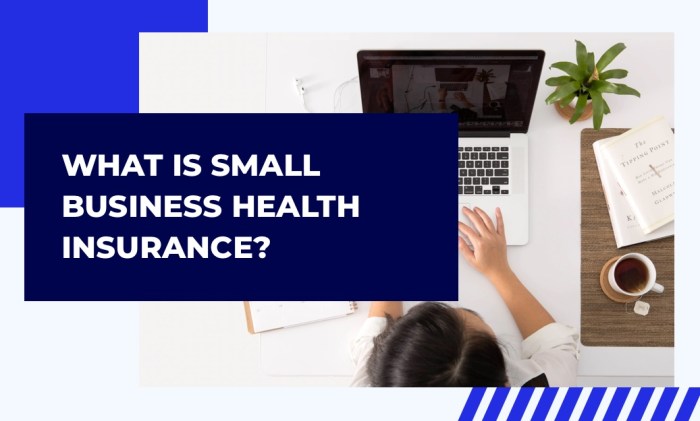
In conclusion, Small Business Health Insurance: What You Need to Know sheds light on the complexities of health insurance decisions for small businesses. By considering the various factors, types of plans, and legal requirements, business owners can navigate the landscape more effectively, ensuring both financial stability and employee well-being.
Query Resolution
What factors should small business owners consider when choosing a health insurance plan?
Small business owners should consider factors such as affordability, coverage options, employee needs, and provider networks when selecting a health insurance plan. It's essential to balance cost with comprehensive coverage to meet the needs of both the business and its employees.
How does the size of a business impact the choice of health insurance options?
The size of a business can influence the available health insurance options, as larger businesses may have more bargaining power and access to a wider range of plans. Smaller businesses may need to focus on finding cost-effective options that still provide adequate coverage for their employees.
What are some cost-saving measures for small businesses offering health insurance?
Small businesses can explore options like wellness programs, high-deductible plans, and health savings accounts to save costs on health insurance. Negotiating rates with insurance providers and encouraging employee participation in preventive care can also help reduce expenses.

![Trulicity Eye Side Effects Lawsuit [2025 Update] | King Law](https://medic.sinergimadura.com/wp-content/uploads/2025/12/Trulicity-Side-Effects-Common-Serious-Long-term-1-120x86.png)